Loading

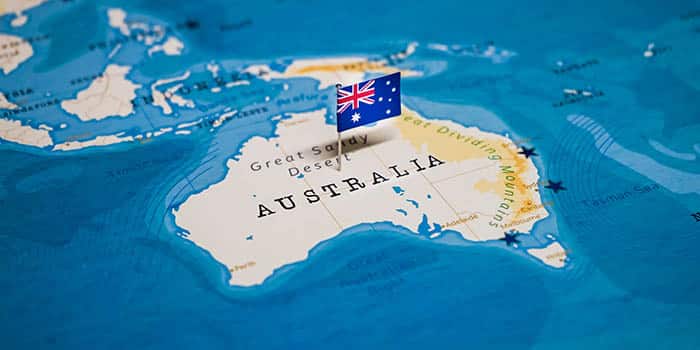
Earlier this month, Risk Science Center’s Diana Bowman and a number of Australia’s leading road safety experts met in Melbourne, Australia for a one day workshop on a new road safety handbook that is currently in the works.

Diana, Associate Professor at U-M Risk Science Center and the Department of Health Management and Policy and one of the editors of the book, said that it will bring together insights from leading road safety, public health and regulatory scholars, along with leading figures from non-governmental organizations and industries in one book.

Road safety handbook

Risk Science Center’s Diana Bowman (front center) at the workshop in Melbourne, Australia

According to the World Health Organization, about 1.24 million people die each year on the world’s roads with people aged between 15 and 44 accounting for 59% global traffic deaths. In addition, between 20 and 50 million people suffer non-fatal injuries from traffic accidents.

Although, countries have made significant efforts to reduce the number of road deaths it continues to be an important public health issue.

“The authors of this books have decades of experience between them in fighting the ongoing war on our roads,” said Diana.

“The book will not only place road safety in its historical, social and ethical context, but it will outline what needs to be done in order to stem the growing number of deaths on our roads.”

The handbook, a collaboration between Michael Fitzharris of Monash University’s Accident Research Center, Saul Billingsley, of the FIA Foundation and Commission for Global Road Safety, and the University of Michigan Risk Science Center and the School of Public Health, is expected to be released by Edward Elgar next year.

The meeting of the authors also coincided with the UN Global Road Safety Week.

{ 0 comments }

The first annual conference on Governance of Emerging Technologies: Law, Policy and Ethics has just wrapped up in Arizona, Phoenix. In his keynote speech, Technology Innovation and the New Social Responsibility, Andrew Maynard, Director of the University of Michigan Risk Science Center called for a re-think of the relationship between technology innovation and societal needs.

Maynard 130519 ASU Coupling

A new concept – Technology Innovation as Societal Insurance

“We are living in an highly interconnected world that is rapidly changing – increasing population, growing technological complexities and greater demands on harder-to-get resources,” said Andrew.

“In order to tackle evolving social challenges that range from chronic diseases to access to clean water and nutritious food, we need to find new ways of supporting technological innovations that are socially, environmentally and economically viable.  We have iPads, but we live in a world where people are still dying of malaria.”

Andrew noted that, in the distant past, technology innovation was largely driven by needs of the society.

“There was no systematic methodology behind innovation – people came up with ideas, and if they helped solve a problem, they stuck and were considered successful.”

Since the industrial revolution and more recently the Second World War, economic growth has become the main driver of innovation, resulting in a disassociation between societal needs and technological innovation.

“With innovation occurring at a rate faster than which we can appropriately regulate, we run the risk of not being able to manage the adverse consequences that inevitably arise. But a lack of responsive oversight also threatens to undermine consumer and commercial buy-in to socially and environmentally important technological innovations,”

So, where to from here? How do we get back on track?

In his keynote, Andrew suggested a new approach to reintegrate technology innovation with social needs which was developed in collaboration with Chief Scientist of Environmental Disease Fund, Steve Hamburg – a concept he refers to as Technological Innovation as Societal Insurance.

“Social responsibility is key to achieving corporate success in today’s world and with this in mind, this new concept calls for strategic up-front investment in innovation that will reduce future social, environmental and fiscal liabilities – and will re-couple innovation to societal drivers.”

In order for this concept to be effective, Andrew argues that there are four key components that need to be considered.

“Firstly, to develop sustainable innovations that are economically and socially relevant, there needs to be innovative private public collaborations. This is a powerful approach, which has already been successfully demonstrated by the Gates Foundation and their continued support for eradicating malaria. The foundation has committed over $2 billion for research and innovation for effective malaria control.”

The next component, Andrew suggests, is connecting social entrepreneurs who seek to find innovative solutions to social challenges, and technology innovators who are at the cutting edge of translating research and development into new products.

“There is a growing global community of social entrepreneurs and technological pioneers. Bringing these two communities together has the potential to lead to interactions that result in a new wave of technology solutions that are both socially responsive and economically sustainable.”

Citizen engagement is also vital component of this new concept.

“The public needs to be partners in the technology innovation process. Unless the scientific and technology community and the public engage in frequent, timely and transparent dialog on innovations, the social partnerships that are essential for success will not be fostered. Such a lack of engagement and partnership stifled the development of socially responsive genetic modification technologies for many years, and continues to limit progress in the field of genetically modified organisms.”

The final component of this concept highlighted by Andrew requires new approaches to the way in which intellectual property is used and protected within society.

“We need to explore mutually beneficial approaches to balancing the IP protections and at the same time using these new technology innovations for social benefits.”

As part of a larger exploration of responsible innovation, the concept of Technology Innovation as Societal Insurance suggests a way forward to reintegrate innovation and societal needs in order to meet future challenges in a sustainable manner.

The slides from Andrew’s keynote can be viewed here


{ 0 comments }

Risk Bites is back for another week!

In this week’s episode Andrew Maynard talks about the challenges and importance of scientists listening to members of the public as they plan and conduct their research.

Thumbnail Public Engagement

Should people who aren’t scientists have a say in what science gets done, and how it is used?

Listening to people who aren’t experts can be difficult – especially when they don’t know what you know. But when science and technology affect people’s lives – and their perceptions affect how science is and isn’t used – listening to them could be important.  Andrew makes the point that scientists need to be socially aware if their work is to have a positive impact in society.

This video was filmed to kick of a session on public engagement at the First Annual Conference on Emerging Technologies: Law, Policy and Ethics, held on May 20 – 22 in Phoenix, Arizona.  The conference was co-sponsored by the Risk Science Center.

Check out the video and let us know what you think. Remember subscribe to Risk Bites channel to receive informative bite-size videos every Tuesday.

If you would like a copy of the script, please get in touch with the Risk Science Center.

{ 0 comments }

The University of Michigan Risk Science Center is proud to be co-sponsoring the first annual Governance of Emerging Technologies: Law, Policy and Ethics conference next week.

Organized by Center for Law, Science and Innovation at Arizona State University’s Law School, the two-day conference will bring together leading commentators and critical thinkers to explore the unique governance issues and challenges facing the rapid development of emerging technologies.

Emerging Technologies Conference

Diana Bowman, Assistant Professor Risk Science Center and the Department of Health Management and Policy, and member of the conference planning committee, said the phenomenal list of speakers, including opening keynote by Andrew Maynard, Director of the Risk Science Center, is guaranteed to evoke engaging discussions and fuel collaborative research moving forward.

“The conference is set to be a melting pot of ideas leading to creative and ground-breaking approaches in the way we face regulatory, governance, legal social, and ethical aspects of emerging technology,” said Diana.

“This form of collaboration is fundamental if we are to strike an appropriate balance between the risks and rewards.”

The discussions will encompass various fields of emerging technologies including nanotechnologies, synthetic biology, biotechnology, genomics, personalized medicine, stem cell and regenerative medicine, human enhancement technologies, telecommunications, information technologies, surveillance technologies, geoengineering, neuroscience, and robotics.

“Autonomous vehicles – drone warfare – sophisticated materials for tissue engineering – what once belonged only in the pages of science fiction is very much science fact today. With the promise of these new, emerging and disruptive technologies, our capacity to deal with the legal, policy and societal issues posed by their applications will be challenged.”

The conference also presents an invaluable opportunity for the Risk Science Center to showcase its innovative research to colleagues and industry leaders. Presentations from faculty associated with the Center include:

  • Diana Bowman – 
Evidence-based Regulation of Food Nanotechnologies: A Perspective from the European Union and United States
  • Adam Finkel -
Designing a “Solution-Focused” Governance Paradigm for Synthetic Biology (University of Pennsylvania)
  • Andrew Maynard and Diana Bowman – co-hosts session presentation on Public Engagement and Risk: Synthetic Biology

Stay tuned to the RiskSense Blog for highlights from Andrew’s keynote speech and other presentations.

The conference is being held on May 20-21 at the Sheraton Wild Horse Pass Resort & Spa in Chandler, Arizona.

Cross-posted from 2020 Science:

On Monday, the National Institute for Occupational Safety released new data on the potential role multi-walled carbon nanotubes play as a cancer-promoter – a substance that promotes the development of cancer in the presence of a carcinogen. In the study, mice were injected with methylcholanthrene – a cancer initiating agent – and subsequently exposed to airborne multi-walled carbon nanotubes. Compared to a control group, the methylcholanthrene and carbon nanotube-exposed mice were significantly more likely to develop tumors than a control group, developed more tumors, and developed larger tumors. The study provides a strong indication that this particular form of carbon nanotube material can synergistically increase the likelihood and severity of cancer in the presence of a carcinogen.

The NIOSH research was one of a number of presentations on carbon nanotube safety at this year’s Society of Toxicology meeting. The results won’t appear in the peer review literature for some time yet, and so it is premature to draw too many conclusions. However, there is a growing body of research indicating that some forms of carbon nanotubes can present a significant health hazard if used inappropriately.

Unfortunately, there is still considerable uncertainty over which of the many attributes of different carbon nanotubes and nanotube materials are associated with their toxicity, release routes leading to significant exposure, and what constitutes a significant exposure. These are all areas of extremely high research priority if carbon nanotube material is to be produced, used and disposed of/recycled responsibly.

The carbon nanotubes in this study were inhaled multi-walled carbon nanotubes with a predominantly long, straight fiber-like morphology. Mice were exposed at a level of 5 mg/m3 for 5 hours per day, over a 15 day period. From the NIOSH post:

Mice receiving both the initiator chemical plus exposure to MWCNT were significantly more likely to develop tumors (90% incidence) and have more tumors (an average of 3.3 tumors/mouse lung) than mice receiving the initiator chemical alone (50% of mice developing tumors with an average of 1.4 tumors/lung). Additionally, mice exposed to MWCNT and to MWCNT plus the initiator chemical had larger tumors than the respective control groups. The number of tumors per animal exposed to MWCNT alone was not significantly elevated compared with the number per animal in the controls. These results indicate that MWCNT can increase the risk of cancer in mice exposed to a known carcinogen. The study does not suggest that MWCNTs alone cause cancer in mice.

For further background insight into the complexities of interpreting carbon nanotube toxicity with respect to nanotube exposure and physicochemical characteristics, check out this week’s Risk Bites video:

Additional resources:

NIOSH (2013) New Findings on Lung Tumor Formation in Laboratory Mice Exposed to Multi-Walled Carbon Nanotubes.

Wikipedia: What are carbon nanotubes used for?

Donaldson et al. (2006) Carbon Nanotubes: A Review of Their Properties in Relation to
Pulmonary Toxicology and Workplace Safety. Toxicol. Sci. 92 (1): 5-22. [Free download]

Poland et al. (2008) “Carbon nanotubes introduced into the abdominal cavity of mice show asbestos-like pathogenicity in a pilot study” Nature Nanotechnology 3, 423 – 428

NIOSH (2010) Occupational Exposure to Carbon Nanotubes and Nanofibers (Draft)

{ 2 comments }

The World Economic Forum Global Agenda Council on Emerging Technologies has just published its annual list of the top ten emerging technology trends. Based on expert assessment from council members and others, the list provides insight into technologies that have the potential to have a significant economic and social impact in the near to mid term.  It also provides a heads-up as to where the science of risk is going to be increasingly important if safe, sustainable and successful products using the technologies are going to emerge. (The University of Michigan has published a list of experts available to discuss the technology innovation trends and their implications) [click to continue…]

{ 1 comment }

I hope the title of this post got your attention.

It’s a statement that seems to violate the fundamental concept of risk communication.

How is it possible that risk communications could be accurate yet meaningless?

Isn’t the whole point of risk communication to help people to quantify the uncertainty in their lives? Isn’t it better to know the chance that I will get cancer or have a car accident or develop Alzheimer’s disease more and more precisely?

How could more data, better data, be less helpful?

Perhaps it will be easier if I rephrase the question: [click to continue…]

{ 3 comments }

Hilary Sutcliffe is the Director of MATTER, an EU based think tank which focuses on promoting Responsible Innovation, particularly the appropriate use of new and emerging technologies, such as nanotech, biotech, genomics, synthetic biology and geoengineering. She is also a member of the Risk Science Center External Advisory Board

Late lessons from early warnings: science, precaution, innovation. EAA, January 2013

Are we destined to repeat the mistakes of even the very recent past in our race to make money, or to solve today’s problems at the expense of tomorrow’s generation?  It seems horribly like we are unless something changes.  From my skim read of Late Lessons from Early Warnings: science, precaution and innovationthe second volume in this series from European Environment Agency which was launched today at the European Parliament – we are still not as good as we need to be in learning the lessons from past mistakes.

The just-published report catalogues a number of environmental and social issues from recent years, and explores what lessons can be learned by policy makers, businesses, scientists and those who seek to understand and mitigate risk.  It explores lessons from known hazards, including Beryllium, PCE, lead in Petrol, Bisphenol A and DBCP among others, but then moves on to emerging issues from nuclear energy, GM crops, invasive alien species, mobile phones and even one from the Risk Science Center’s Andrew Maynard & Di Bowman on Early Lessons on Early Warnings from Nanotechnologies which is worth reading!  [I would second that – Ed.]

For those in the US in particular who find the “P” word (as in ‘Precaution’) to be a problem, you will have a had a heart attack by the end of Late Lessons 2, as it is very much about trying to understand where and how precaution should be most effectively invoked.  It is a concept that features in virtually every article!  But an overarching theme is that that precaution doesn’t stifle innovation.  Rather, it actually stimulates and encourages it, and is an important factor in ensuring economic and social progress.

I particularly like the chapter on the thorny subject of ‘false alarms’.  These are sometimes used to justify inaction or lax regulation in the name avoiding over-regulating minor risks, or even non-existent risks.  Public and NGO ‘irrationality’ are often cited as the root cause of ‘overreaction by bureaucrats’ associated with false alarms.  What I found particularly interesting from the analysis is that of the 88 ‘false positives’ considered here, only four were found to ultimately have been an over-reaction – the US response to Swine Flu in 1976, and responses to saccharin, food irradiation and Southern leaf corn blight.  The analysis indicated that fear of false positives is misplaced and should not be a rationale for avoiding precautionary actions.

Some academic compilations shy away from findings and recommendations, but this report doesn’t. There are some interesting later chapters on the protection of whistleblowers and victims, an attempt to consider and account for the costs of inaction and a look at why businesses don’t react with precaution to early warnings, which is helpful for my work in particular. The introduction and conclusions are hard hitting, but also give real insights on what steps need to be taken by science, policy, business and those involved in risk.

There is much food for thought here, and the report’s main conclusions show that the UM Risk Science Centre’s broader approach to understanding risk – focus on widening participation and more effective communication and engagement – are spot on.

Late Lessons 2 suggests that there may indeed be a ‘Homo-illogical cycle’ – an inability to learn the lessons of the past – that is endemic to our species   But it concludes that “humans can learn, change and transform and there is enormous potential in human creativity and its capacity to inspire cultural,social, political, institutional, organisational and behavioural innovation, beyond ‘mere’ technological innovation.”

Late Lessons from Early Warnings: science, precaution and innovation is published by the European Environment Agency, and can be accessed at http://www.eea.europa.eu/publications/late-lessons-2.

{ 0 comments }

Including patient stories in health education materials and patient decision aids might seem like an obvious choice, for many reasons:

  • They are vivid, engaging readers or viewers with the material.
  • They have inherent credibility when told by people who have “been there.”
  • They can provide useful information about health decisions in less boring ways than traditional formats.
  • They can show diversity, either in terms of patient demographics (i.e., “somebody who looks like me”) and/or values (“somebody who thinks like I do”).

Seems like a win-win, right?

Well, sometimes.

On the one hand, it is definitely true that narrative forms of communication are very powerful. Chip and Dan Heath’s bestselling book, Made to Stick: Why Some Ideas Survive and Others Die, makes a convincing argument that good stories embody all of the elements that make information memorable and hence impactful. Good stories are simple in message, concrete in details, often unexpected and emotional and delivered by a credible speaker.

On the other hand, past work by Ubel, Jepson and Baron as well as others has shown that patient stories have the potential to bias decisions by changing how people perceive risk. Specifically, individual narratives have the potential to make rare outcomes appear equally likely as common ones. If there is one story that turns out well and another that turns out poorly, people tend to see those outcomes as equally likely even when numerical risk information is provided.

A review by Winterbottom and colleagues of the use of patient narratives in decision aids drew similarly mixed conclusions, with narratives altering health decisions in some contexts but not in others. To cite the paper:

Narrative information influenced decision making more than the provision of no additional information and/or statistically based information in approximately a third of the studies (5/17); studies employing first person narratives were twice as likely to find an effect.

More recent work (e.g., here and here) has demonstrated that narratives can alter people’s preferences for end-of-life care and increase risk perception for colorectal cancer and interest in screening.

So are patient narratives too dangerous to use in health education and risk communication contexts?

Not necessarily.

You see, all of this prior work has treated all patient narratives as if they were identical. Which, of course, is completely untrue.

A story of how one patient went about looking for information about her breast cancer treatment decision is hardly the same as a story about another patient’s experience with chemotherapy-induced fatigue.

A heartfelt account from a prostate cancer patient of how difficult it is to live with treatment induced impotence is never going to be equivalent to another man’s (or perhaps even the same man’s) upbeat description of the fact that he remains cancer-free 3 years after having radical surgery.

In order to advance the science of if, when, and how to incorporate patient narratives into health communications, we need to accept that narratives are highly heterogenous and to develop common classifications, definitions, and terms to use when developing narratives for use and when reporting them in scientific publications.

In the January 2013 issue of Medical Decision Making, Victoria Shaffer and I have published what we describe as “a purpose-, content-, and valence-based taxonomy of patient narratives in decision aids.”

We argue that all patient stories can be classified on at least three distinct dimensions:

  1. Purpose: Stories can have one or more of the following goals:
    • To provide information
    • To make materials more engaging
    • To model targeted behaviors
    • To persuade people to undertake healthy behaviors
    • To provide comfort
  2. Content: Stories can include information about decision making process (e.g., what to consider, where to look for information, what values might be important), the physical or emotional experience of different conditions, the psychological or physical outcomes of a decision, or any combination of the above.
  3. Evaluative Valence: Stories can have a positive emotional tone, a negative tone, or be be mixed.

Our taxonomy is derived from the research literature, but it is not yet empirically validated. We expect that it will evolve over time, as we and others conduct experimental studies, identify categories or dimensions we omitted, and generally build the evidence base surrounding the use of patient narratives. In fact, we expect that some of our hypotheses may prove to be incorrect. So be it.

But, our main message is simple: Patient narratives are NOT one size fits all.

Consider, for example, the impact of our content types on risk communications. If you go back and look at the Ubel, Jepson, and Baron paper, they tested testimonials that a particular procedure went well vs. poorly. In other words, outcome narratives. We agree that outcome testimonials are likely to bias risk perceptions.

Yet, what about our other content types? Experience narratives that describe what it feels like to, say, have severe shortness of breath might improve risk communications by providing rich detail about the potential negative outcome in question. Process narratives could also be helpful by reminding people to pay attention to certain types of risks that they might otherwise forget about.

In other words, “stories” can be both helpful OR harmful, depending on type.

We wouldn’t dream of giving a patient a drug without knowing whether it was an antibiotic or an anti-inflammatory agent. (But they’re both drugs!) We would never have someone start a physical therapy exercise plan without determining which muscle groups and joints will be strengthened or strained by each exercise. (But they’re all exercises!)

By the same logic, we should strive never to use patient narratives in our communications without systematically identifying what concepts they provide, what purposes they serve, and what emotions they evoke.

Patient narratives are a powerful tool, one that we all can and should use to accomplish a variety of health communications goals. But, the persuasiveness of narratives means that they must be used intentionally and carefully.

Do you know what messages your patient narratives really sending?

Brian J. Zikmund-Fisher is an Assistant Professor of Health Behavior & Health Education at the University of Michigan School of Public Health and a member of the University of Michigan Risk Science Center and the Center for Bioethics and Social Sciences in Medicine. He specializes in risk communication to inform health and medical decision making.

{ 4 comments }

The School of Public Health (SPH) recently published a feature in Findings magazine on ‘hot button issues’ with perspectives from the SPH community.  Several Risk Science Center members and collaborators were featured, and we are grateful to Findings for allowing us to re-post these articles as a six-part series in Risk Sense.

Marie O’Neill on Climate Change:

The Issue: Despite scientific consensus that the world is warming more rapidly than at any previous time in its history, and that human activities are a cause of this climate change, some people dispute the evidence and argue against measures aimed at addressing climate change. In its efforts to achieve “balanced coverage,” the news media often obscures the overwhelming agreement on the science. Evidence suggests that we are now seeing the impacts of climate change, and that there are known ways to prevent or diminish those impacts, particularly with regard to human health.

The Debate: From a public health perspective, we know that heat waves kill people; that flooding affects both mental and physical health; that the increasing incidence of hurricanes, tornadoes, wildfires, and drought is a consequence of climate change and indisputably affects people’s health, lives, and livelihoods. We also know that the people who are most affected by climate change are those who have done the least to contribute to it. These people are often more vulnerable because of age, socioeconomic status, illness, and geographic location. So there is a moral dimension to our response to climate change. Indeed, many traditionally conservative churches and faith-based organizations have called for more responsible stewardship of our planet in terms of curbing energy use and addressing climate change.

A Way Forward: We know that greenhouse emissions currently in the atmosphere have put us on an irreversible course toward a warming planet and more variable weather. We can’t stop climate change—but we can slow its future pace through such actions as reducing emissions, increasing energy efficiency, and planting trees. Individuals can contribute in important ways by adjusting thermostats, using public transport, reducing consumption, recycling and reusing, and supporting policies for more sustainable energy sources.

Marie O’Neill, Associate Professor, Environmental Health Sciences, Epidemiology, U-M SPH; Member, Advisory Committee, National Climate Assessment (a Congressionally mandated effort to characterize how climate change affects the nation in various sectors, from economics to energy to health), Member, Risk Science Center

{ 2 comments }

Hot Button Issues: Motor Vehicles and Personal Technology

January 4, 2013

The School of Public Health (SPH) recently published a feature in Findings magazine on ‘hot button issues’ with perspectives from the SPH community.  Several Risk Science Center members and collaborators were featured, and we are grateful to Findings for allowing us to re-post these articles as a six-part series in Risk Sense. Peter Jacobson on Motor Vehicles and Personal Technology: The Issue: [...]

2 comments Read the full article →

At the frontiers of the science of health risk – five areas to watch

January 1, 2013

This week’s Risk Bites video takes a roller-coaster ride through some of the hottest topics in risk science. Admittedly this is a somewhat personal list, and rather constrained by being compressed into a two and a half minute video for a broad audience.  But it does touch on some of the more exciting frontier areas [...]

1 comment Read the full article →

Hot Button Issues: Fracking

December 18, 2012

The School of Public Health (SPH) recently published a feature in Findings magazine on ‘hot button issues’ with perspectives from the SPH community.  Several Risk Science Center members and collaborators were featured, and we are grateful to Findings for allowing us to re-post these articles as a five-part series in Risk Sense. John Callewaert on Fracking: The Issue: For several decades, the [...]

1 comment Read the full article →

Hot Button Issues: Chemicals Management

December 14, 2012

The School of Public Health (SPH) recently published a feature in Findings magazine on ‘hot button issues’ with perspectives from the SPH community.  Several Risk Science Center members and collaborators were featured, and we are grateful to Findings for allowing us to re-post these articles as a five-part series in Risk Sense. Greg Bond on Chemicals Management: The Issue: Chemistry is [...]

0 comments Read the full article →

Hot Button Issues: Genetically Modified Foods

December 10, 2012

The School of Public Health (SPH) recently published a feature in Findings magazine on ‘hot button issues’ with perspectives from the SPH community.  Several Risk Science Center members and collaborators were featured, and we are grateful to Findings for allowing us to re-post these articles as a five-part series in Risk Sense. Andrew Maynard on Genetically Modified Foods: The Issue: Global [...]

2 comments Read the full article →

Hot Button Issues: Nanotechnologies

December 7, 2012

The School of Public Health (SPH) recently published a feature in Findings magazine on ‘hot button issues’ with perspectives from the SPH community.  Several Risk Science Center members and collaborators were featured, and we are grateful to Findings for allowing us to re-post these articles as a five-part series in Risk Sense. Diana Bowman on [...]

0 comments Read the full article →

EPA protections for obese and overweight adults

December 4, 2012

A new Occasional Paper published by the University of Michigan Risk Science Center addresses the significance of obesity to the pulmonary risk from air pollution. In the report, Patricia Koman – formerly a Senior Environmental Scientist at the US Environmental Protection Agency – argues that the US EPA should include obese and overweight adults as [...]

1 comment Read the full article →

How Risky is your Breakfast?

November 6, 2012

Professor David Spiegelhalter is the Winton Professor for the Public Understanding of Risk at the University of Cambridge. For more information about his work on risk, uncertainty and communication, please visit his website – Understanding Uncertainty.  Understanding how the numbers add up in relation to risk can help us deal with our own uncertainty, as [...]

1 comment Read the full article →

Announcing Iconarray.com: A Free, Tailorable, and Embeddable Generator of Icon Array Risk Graphics

October 25, 2012

What’s an icon array graphic, you say? Icon arrays (sometimes referred to as “pictographs”) are a type of visual display of risk statistics that use a matrix of icons (usually 100 or 1000) to represent an at-risk population. These displays simultaneously show both the number of expected events (e.g., deaths) and the number of expected [...]

10 comments Read the full article →

Open access academics: Experiments with YouTube, the Science of Risk, and Professional Amateurism

October 18, 2012

Cross-posted from 2020 Science YouTube intrigues me. Having been dragged into the YouTube culture by my teenagers over the past two years, I’ve been fascinated by the shift from seemingly banal content to a sophisticated social medium. But what has really grabbed my attention is the growth of YouTube as a unique and powerful platform [...]

1 comment Read the full article →